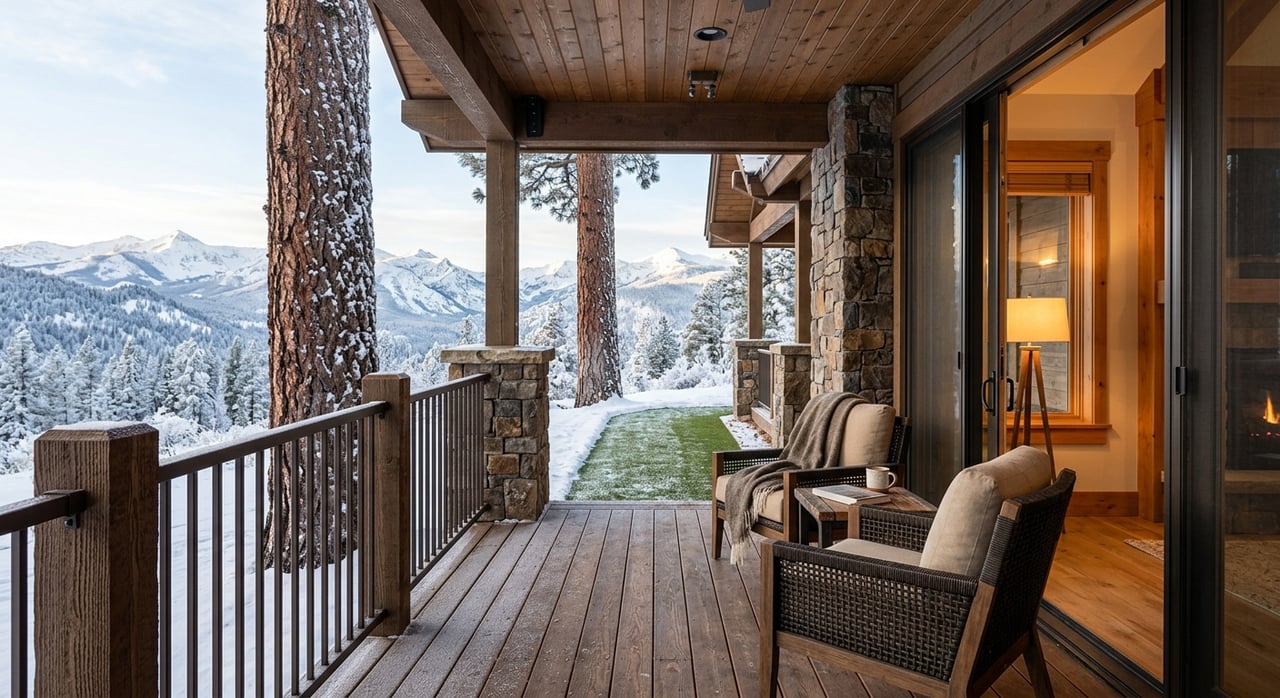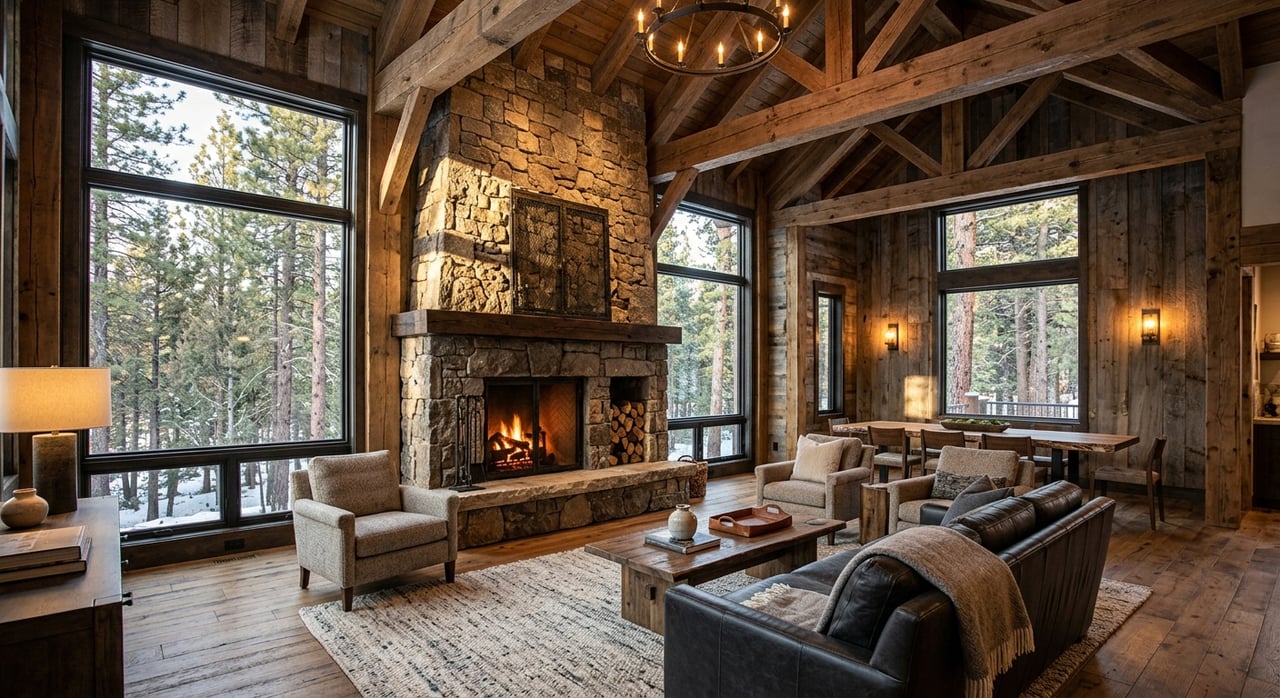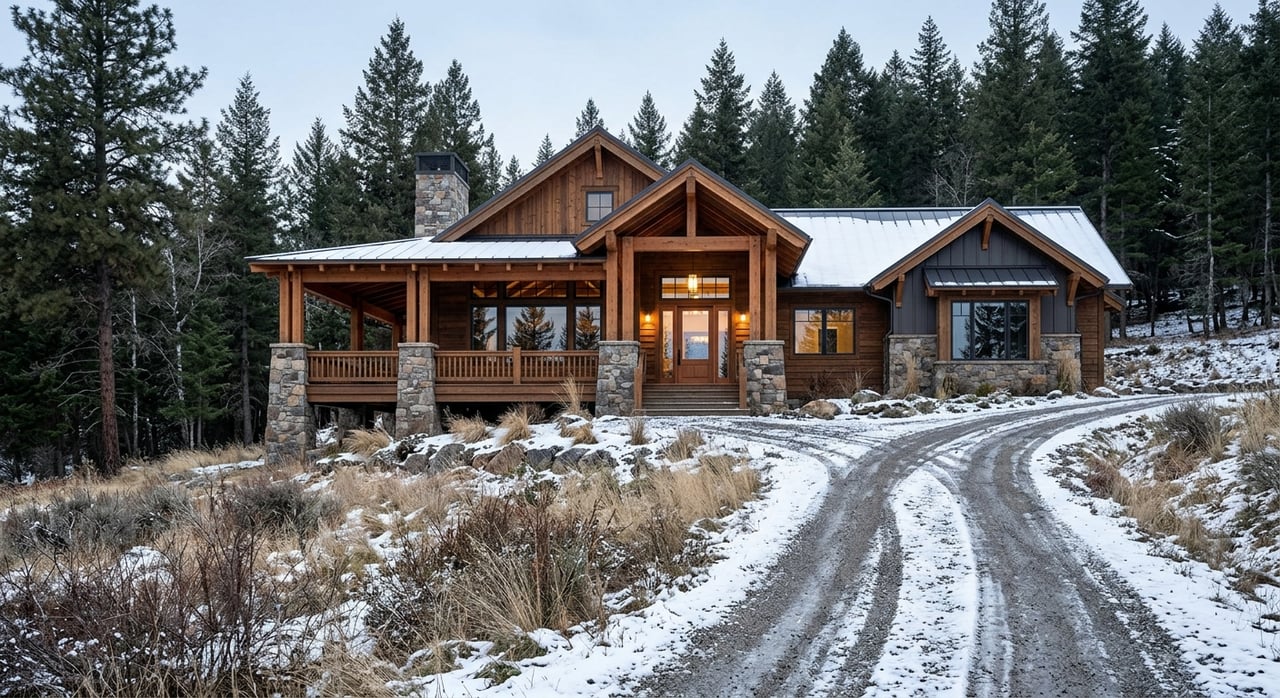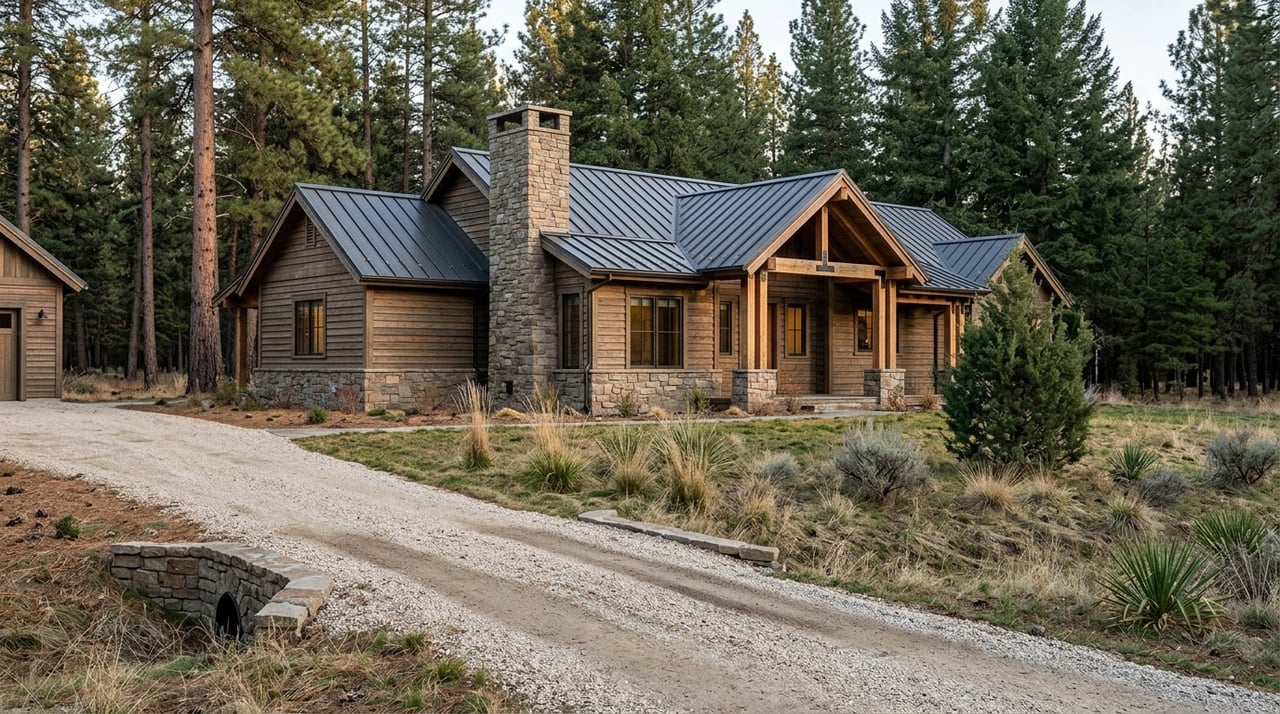
If you are dreaming about acreage in the mountains, Ranches of Sonterra can check a lot of boxes at once. You may be looking for room to build, a finished home with elbow room, or a property that can support horses while keeping you close to Alto and Ruidoso amenities. This guide will help you understand how land, homes, and horse space work in Ranches of Sonterra so you can buy with more confidence. Let’s dive in.
Why Buyers Look at Sonterra
Ranches of Sonterra is a formal subdivision with 497 tracts developed in three phases and completed in 1996. According to the HOA, tract sizes generally range from 5 to 25 acres, which gives buyers more space than many mountain communities while still keeping a defined neighborhood structure.
That balance matters. You get a rural setting with privacy, views, and wildlife, but you are not buying unregulated raw land. You are buying into a community with recorded CC&Rs, automatic POA membership, and a road network that connects tracts throughout the subdivision.
What the Acreage Looks Like
Recent listing patterns show both vacant land and improved properties, with examples around 5, 5.55, 7.96, 10, 10.32, and 11.3 acres. That lines up well with the subdivision’s broader 5-to-25-acre layout.
For you as a buyer, that means acreage is only the starting point. The more important question is how a tract’s shape, slope, road access, and buildable area fit your goals. A 5-acre homesite and a 10-acre tract may offer very different options depending on topography and access.
Regulated Acreage, Not Raw Land
One of the most important things to understand is that Ranches of Sonterra is regulated acreage. The CC&Rs control what can be built, how lots can be used, and what steps are required before construction and occupancy.
That can be a positive if you want predictable standards around neighboring properties. It also means your due diligence should go beyond views and acreage. You need to confirm that your home plans, utility plans, access, and intended use all fit within the governing documents.
Homesite or Existing Home?
Buying a Homesite
A vacant tract gives you the most flexibility. You can choose your homesite orientation, think carefully about views, and plan for horse space, guest space, or outbuildings within the community rules.
But flexibility comes with more work. Current listings describe wooded lots, gentle slopes, view tracts, and interior parcels, so you will want to evaluate drainage, driveway placement, culvert needs, and setbacks before you get too far into design.
The CC&Rs also require review for items that some buyers do not think about early enough, including driveway location, drainage, and utility-related approvals. Once residential construction starts, there is an 18-month completion window, so timing matters too.
Buying an Existing Home
An existing home can remove a lot of uncertainty. You can see the finished footprint, assess the driveway and access, and often better understand the utility setup from day one.
That matters in Sonterra because homes must comply with approved water, electricity, septic, setback, and structure-limit requirements. If you want a smoother path to ownership, a completed home may give you a clearer picture of what daily life on the property will look like.
Build Rules to Know Before You Buy
The subdivision allows only site-built or system-built homes. Manufactured homes are not permitted.
A primary residence must include at least 1,500 square feet of heated living space. One detached guest house is allowed only with or after the primary residence, and it must contain at least 500 square feet of heated living space.
The guest house also cannot be used for lease or rental purposes. That is an important point if you are comparing Sonterra to other mountain properties where rental flexibility may be a bigger part of your plan.
The CC&Rs also limit each property to three permanent structures in addition to the main dwelling. If the property is larger than 10 acres, one additional permanent structure is allowed.
Wells, Septic, and Rural Logistics
In Ranches of Sonterra, the utility conversation is a big part of the buying conversation. Wells and septic are central to many purchases, especially if you are buying land and planning a future build.
The CC&Rs require state permits and ARC approval for well and septic plans. In New Mexico, well construction is regulated through the Office of the State Engineer, and onsite wastewater treatment and septic permitting are handled by the New Mexico Environment Department’s Liquid Waste Bureau.
There are also county-level logistics that come into play before occupancy. New dwellings must have Lincoln County rural address signage installed before the home can be occupied.
Road Access and Daily Use
The subdivision includes county roads and some private roads. The CC&Rs state that subdivision roads were accepted as county roads in the late 1990s, while also noting that selected private roads exist.
The documents also say properties are ordinarily accessible by conventional vehicles in most weather conditions. Even so, access can feel different from one tract to another, especially when you compare interior parcels with lots closer to main routes such as NM-220.
If you are deciding between multiple properties, road frontage and approach should be part of your comparison. That is especially true if you expect frequent visits, trailer access, or easier year-round entry and exit.
Horse Space in Sonterra
What the Rules Allow
If horses are part of your plan, Sonterra offers real acreage potential, but the rules are specific. Horses may be kept long-term only in conjunction with a completed residence.
That means a land-first strategy has limits. On undeveloped tracts, horse keeping is treated as short-term only, so you should not assume you can buy land now and keep horses there indefinitely before building.
The CC&Rs limit horses to one horse per two acres. If you own contiguous tracts, the acreage can be combined for that calculation.
What Horse Buyers Should Watch
Horse buyers should look beyond simple acreage totals. Fenced areas, water access, feeding setup, shelter, and waste disposal all matter because the rules require horses to be kept in a fenced area with water, food, shelter, and waste disposal.
Fencing style also matters. Barbed wire is prohibited, which means your fencing plan should fit both the property and the CC&Rs from the start.
Land Management Matters Too
Owning horse property here is also a land-management decision. The HOA includes Firewise messaging, a tree-thinning cost-sharing program, and noxious-weed enforcement language in the CC&Rs.
The setting is wildlife-rich, with the HOA noting elk, deer, bluebirds, and occasional bobcat or cougar sightings. That makes pasture layout, defensible space, and fence maintenance practical issues, not just cosmetic ones.
Lifestyle Near Alto and Ruidoso
Part of Sonterra’s appeal is that it feels rural without feeling cut off. The community is described by the HOA as a rural mountain setting that stays close enough to area amenities.
Nearby official tourism information points to Alto Lake, golf courses including Alto Lakes Golf & Country Club, Ski Apache, and trail systems in Lincoln National Forest. Alto Lake is described as a quiet forested lake with fishing, non-motorized boating, a shoreline path, and disc golf.
For many buyers, that combination is the draw. You can enjoy larger acreage and a more open homesite while still being connected to the broader Alto and Ruidoso recreation and service network.
A Smart Buyer Checklist
Before you buy in Ranches of Sonterra, make sure you review the property through both a lifestyle lens and a rules lens.
- Confirm tract size and whether the layout supports your home, driveway, and outdoor-use goals
- Review CC&R limits on home type, minimum size, guest house use, and accessory structures
- Compare county-road access versus private-road access
- Evaluate topography, drainage, and culvert or driveway needs
- Verify how well and septic plans would fit the property and approval process
- If horses are part of your plan, calculate allowed horse count based on acreage and confirm fencing and shelter strategy
- Consider whether an existing home offers a better fit than a vacant tract if you want less uncertainty
The Bottom Line for Buyers
Ranches of Sonterra can be a strong fit if you want space, mountain views, and room for a more tailored property setup. The key is understanding that the community offers regulated acreage, not unrestricted land, so the best purchase is the one that matches your intended home size, horse count, structure needs, access preferences, and utility plan.
If you want help comparing lots, reviewing existing homes, or narrowing down which Sonterra property best fits your goals, Gavin R Bigger can help you make a more informed move in Lincoln County.
FAQs
What lot sizes are common in Ranches of Sonterra?
- Ranches of Sonterra tracts generally range from 5 to 25 acres, and recent listing patterns have included parcels around 5 to 11.3 acres.
What homes are allowed in Ranches of Sonterra?
- Ranches of Sonterra allows site-built or system-built homes, requires at least 1,500 square feet of heated living space for the primary residence, and does not permit manufactured homes.
Can you have a guest house in Ranches of Sonterra?
- Yes, one detached guest house is allowed with or after the primary residence, but it must contain at least 500 square feet of heated living space and cannot be used for lease or rental purposes.
Can you keep horses on Ranches of Sonterra land?
- Yes, but long-term horse keeping is allowed only with a completed residence, and the rule is one horse per two acres with contiguous tracts allowed to be combined for acreage calculations.
Are short-term rentals allowed in Ranches of Sonterra?
- No, the CC&Rs prohibit rentals of less than six months, although long-term residential leases are allowed.
What utilities should buyers plan for in Ranches of Sonterra?
- Buyers should pay close attention to well and septic requirements, since state permits and ARC approval are required for those plans, especially on vacant land purchases.
Are roads in Ranches of Sonterra public or private?
- The subdivision includes roads that were accepted as county roads in the late 1990s, but selected private roads also exist, so access should be reviewed property by property.