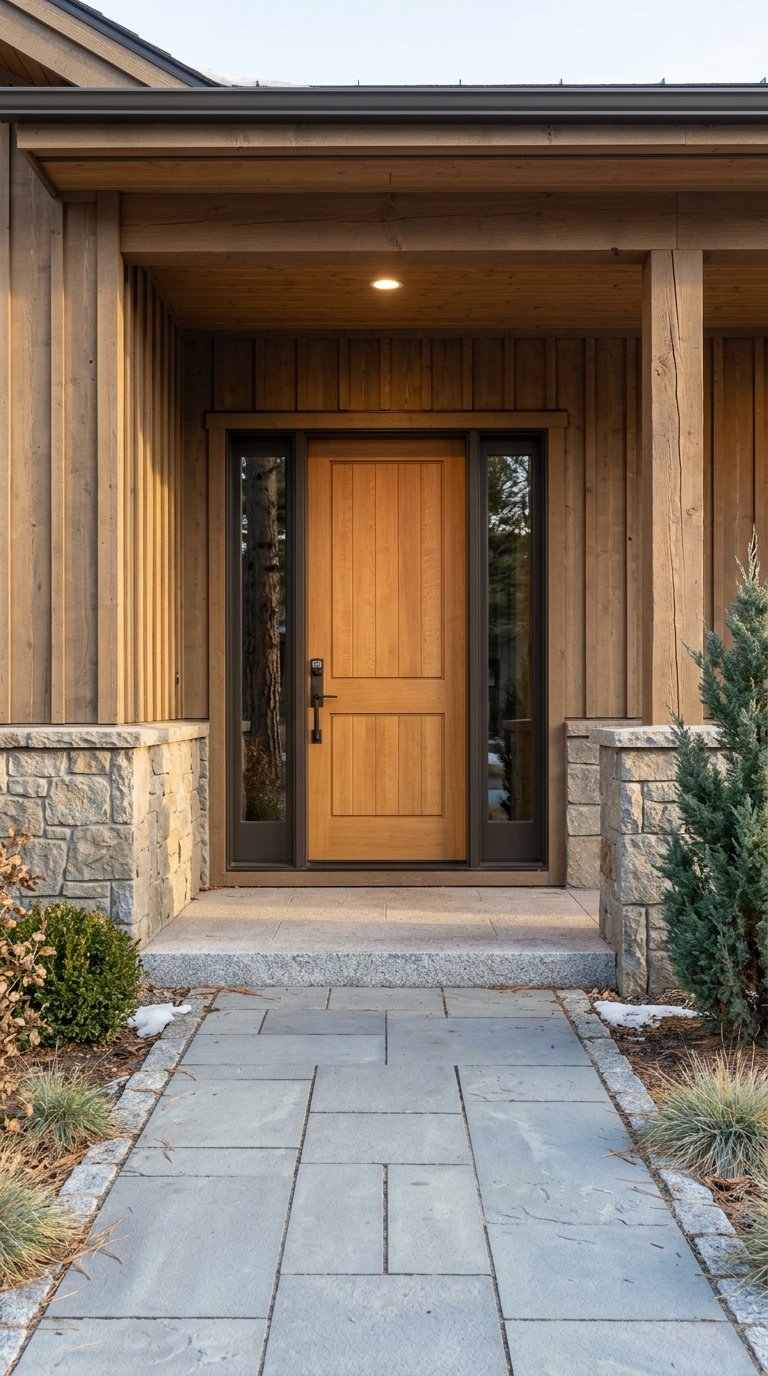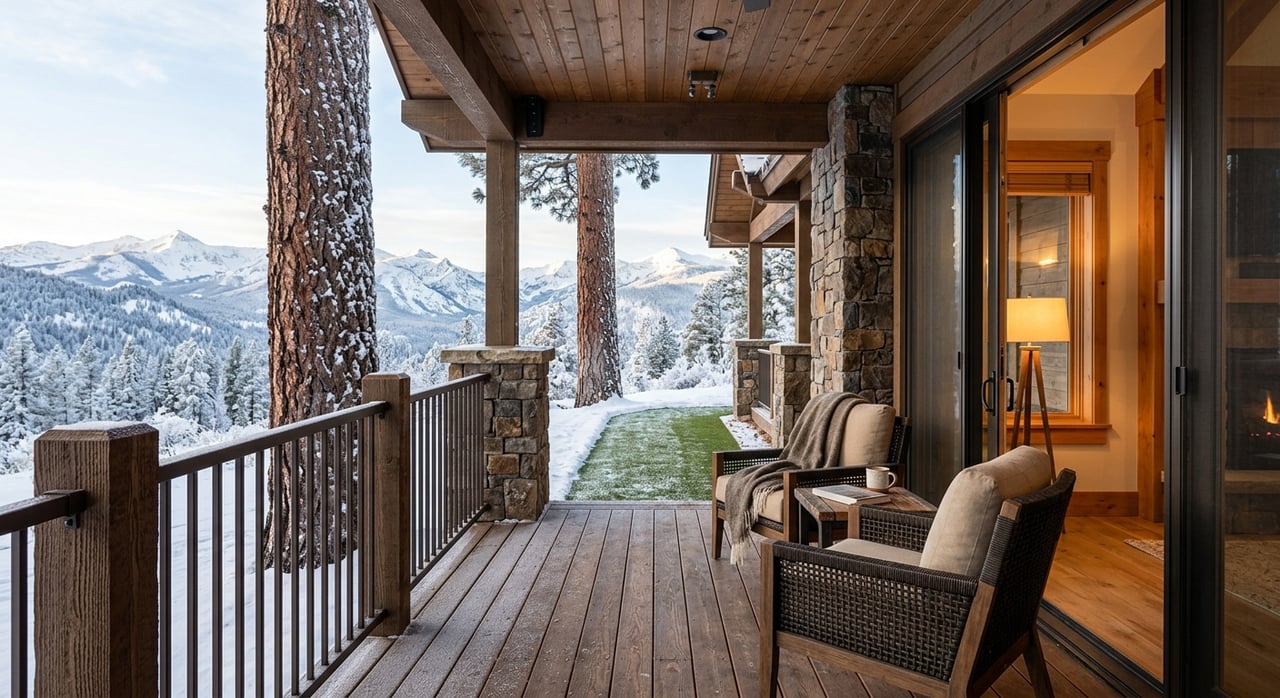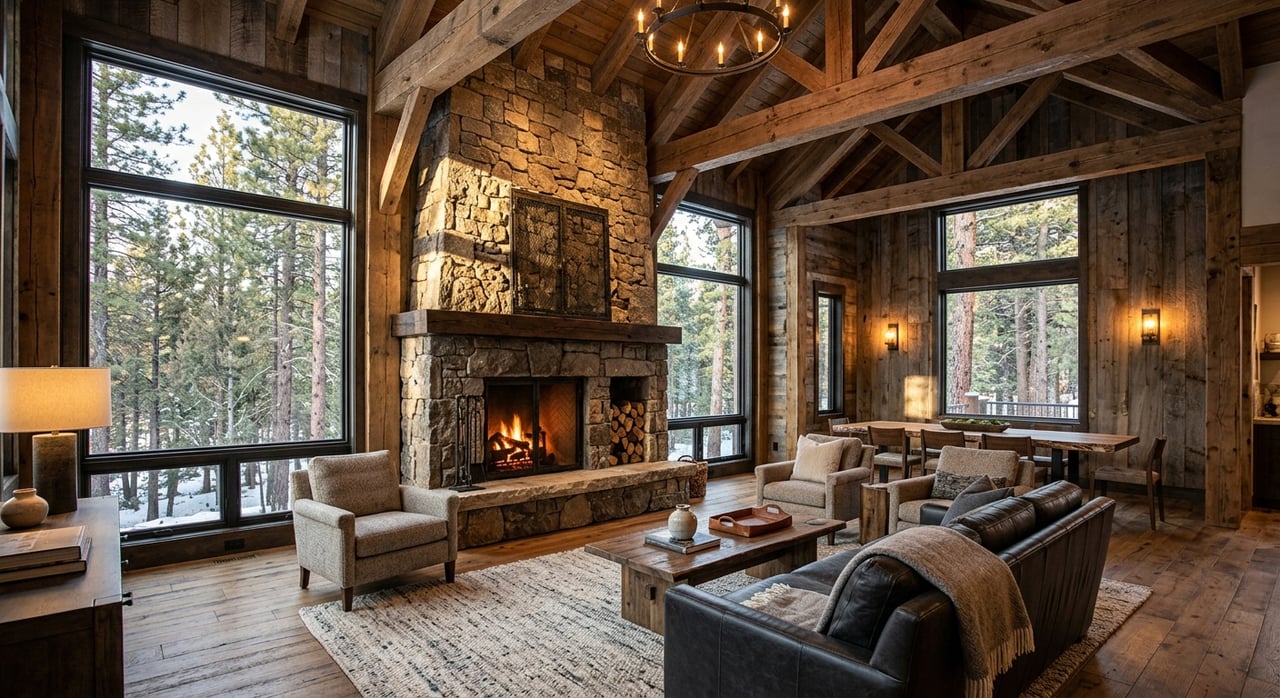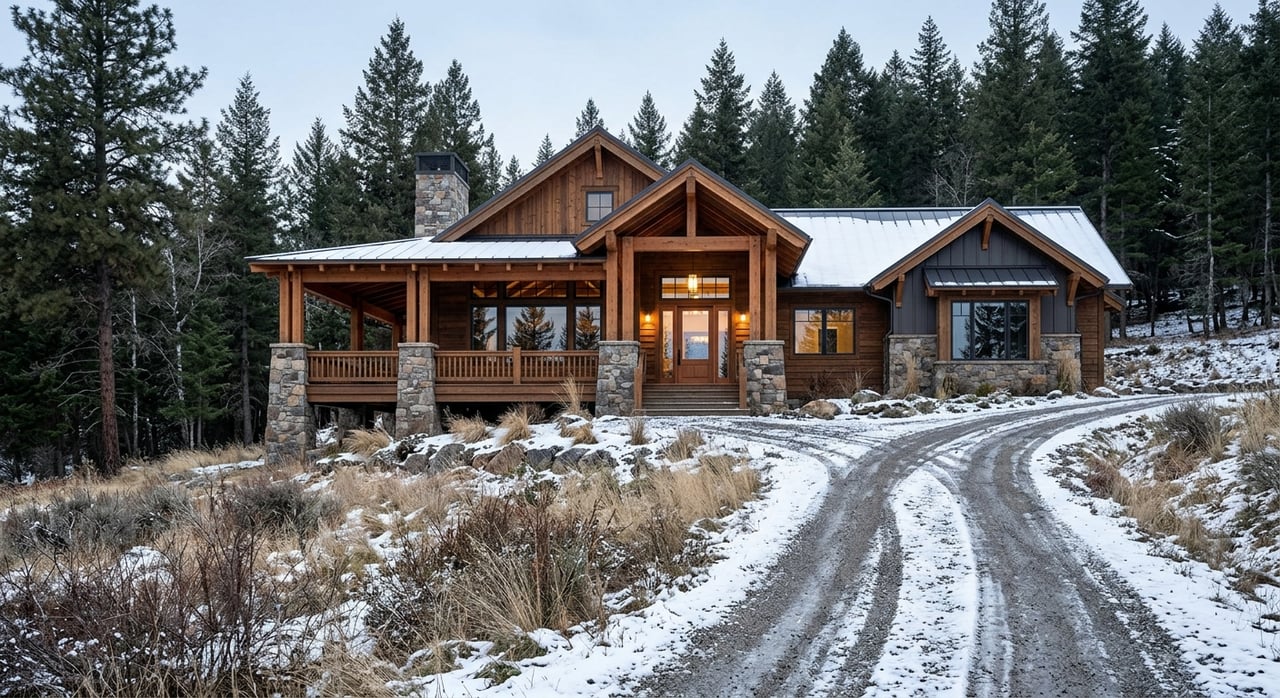
Thinking about building in Ranches of Sonterra? It is easy to fall in love with the acreage, mountain views, and peaceful setting, then assume you can design first and figure out the details later. In this community, that approach can create delays and expensive revisions. If you want a smoother path, you need to understand the lot, the HOA rules, the county process, and your utility plan before you finalize your build. Let’s dive in.
Why Sonterra Building Is Different
Ranches of Sonterra is not just open rural land. It is a deed-restricted, master-planned acreage community completed in 1996 with 497 tracts ranging from 5 to 25 acres.
That matters because when you buy here, you are also buying into a property owners association structure with binding covenants. In practical terms, your lot search and your build plan should happen together, since the tract layout, easements, setbacks, and approval process all affect what you can build.
For buyers coming from out of area, this is one of the biggest mindset shifts. A beautiful lot may still come with design constraints that shape where the home, driveway, well, septic system, and accessory buildings can go.
Start With Rules Before Design
Before you spend too much time on house plans, review the CC&Rs and the HOA approval process. The community requires prior approval for specified improvements, and all construction must also meet applicable federal, state, county, and local requirements.
The CC&Rs also require each dwelling to be served by water, electricity, and an approved septic system. Before occupancy, Lincoln County rural address signage is also required.
This is why early planning matters so much in Sonterra. If your first draft does not account for utilities, road access, or required setbacks, you may need to redraw your plans before you ever break ground.
Understand the HOA Approval Process
The HOA bylaws lay out a detailed submittal process for major projects. Owners must submit plans and specifications in duplicate, along with a plot or site plan showing the tract configuration, easements, and locations for the well, septic tank and leach field, LP tank, culvert, driveway, and other improvements.
Structural plans also need to show scaled foundation, elevation, and floor plans. After submission, the Architectural Review Committee reviews the materials and visits the site.
The Board decision is due within 25 business days after complete materials are received, and owners are notified within 5 business days after the Board meeting. If the Board and ARC do not act within the stated time, the bylaws allow approval to be deemed granted.
What to include in your plan set
- Site plan with tract layout
- Easements clearly marked
- Well location
- Septic tank and leach field location
- LP tank location
- Culvert and driveway placement
- Foundation plans
- Elevation plans
- Floor plans
Know the County Timeline Too
At the county level, Lincoln County requires an Approval To Construct/Address application. That application includes driveway-permit status and floodplain review.
The timing rules are important. County approval lapses after six months if construction has not begun, can become void if construction stops for more than a year, and becomes void if the work is not completed within one year unless an extension is granted.
If you are planning from out of town, do not assume you have endless runway once paperwork is approved. Your permitting and construction schedule should be realistic from the start.
Septic and Well Planning Cannot Wait
In Sonterra, septic and water planning are part of the front-end process, not something to handle later. The New Mexico Environment Department requires a septic permit application, proof of ownership, a site diagram, a floorplan showing bedrooms or fixtures, and a plat or survey.
For timing, conventional systems can take up to 5 business days for completeness review and up to 10 business days for a decision. Advanced treatment systems can take longer, up to 10 business days for completeness review and up to 20 business days for a decision.
For wells, the Office of the State Engineer regulates well construction and water rights in New Mexico, and the state requires licensed well drillers. If you are buying raw land, confirm well and water-right status early rather than after design is underway.
Setbacks Shape Your Homesite
One of the most important design limits in Ranches of Sonterra is setbacks. The CC&Rs require permanent structures to be at least 25 feet from side property lines, 100 feet from public road right-of-way lines, and 50 feet from rear property lines.
Corner tracts must maintain 100-foot setbacks from each road right-of-way. Front or rear setback variances may be considered when topography makes placement difficult, but side setbacks cannot be modified.
That means homesite placement is about more than picking the best view. You also need to think about where the driveway works, where utilities fit, and how the home sits within the allowed build area.
Access and Driveway Planning Matter
In acreage communities, access can make or break a build. In Sonterra, the CC&Rs note that the POA does not have authority, liability, or responsibility for private roads or private road entities.
If your driveway crosses a county road drainage ditch, a county culvert permit is required. That is one reason buyers should compare lots based on access, drainage, and driveway geometry, not just scenery.
Before construction starts, an approved drive or roadway must be installed with at least 4 inches of base course. Property lines must also be surveyed and clearly identified before work begins.
Easements Affect Utility Placement
Utility easements need to be part of your site plan from day one. The bylaws require easements to be shown on the site plan, and the CC&Rs prohibit wells, septic systems, and related plumbing or electrical systems from being placed on or across utility easements, except for a narrow allowance for shared domestic water lines between contiguous tracts.
This is a common source of frustration for buyers who assume they can place improvements wherever the land looks most convenient. In reality, your build envelope may be shaped by easements just as much as by slope or views.
Construction Site Rules to Expect
The community also has rules for how the site is managed during construction. If your project lasts more than one week, you need a chemical toilet and trash control from the start.
Construction waste cannot be burned on-site. Construction vehicles must stay on the owner’s property whenever possible.
These may sound like small details, but they affect budgeting and builder coordination. A smooth project usually comes from preparing for these requirements early rather than reacting to them later.
Horses, Barns, and Outbuildings
Many buyers look at Sonterra because they want more room, more privacy, and flexibility for a rural lifestyle. If horses are part of your plan, the rules are specific.
Long-term horse keeping is allowed only in conjunction with a completed residence. The maximum is one horse for every two acres, and horses must be kept in a fenced area with adequate water, food, shelter, and waste disposal.
Fencing rules matter too. Barbed wire is prohibited, and wire fencing is limited to smooth wire.
Accessory structures are also regulated. Residential outbuildings and other nonresidential structures are limited to 25 feet in height and 2,400 square feet of footprint.
Each property is limited to three permanent structures in addition to the main dwelling, or five if the lot exceeds 10 acres. Projects over 200 square feet are treated as specified improvements, so larger garages, workshops, and barns should be planned with the same care as the house itself.
Temporary Living Has Strict Limits
If you plan to stay on-site while building, read the rules carefully. RV use on an undeveloped tract is limited to 14 cumulative days in a 60-day period.
During home construction, an RV may be used as a temporary dwelling for up to 120 days, but only if it is connected to the permanent septic system, water from a well on the tract, and public electricity. Manufactured or mobile homes are not permitted at any time, including during construction.
For many out-of-area buyers, this is an important planning point. Temporary living options are more limited than many people expect.
Wildfire Readiness Is Part of Ownership
Wildfire preparedness is part of the ownership experience in Sonterra. The HOA highlights Firewise as an owner resource, and the CC&Rs require downed trees deemed a fire hazard to be cleared.
Slash piles are limited to 12 months, and any burning must comply with applicable county or state permits. In other words, defensible space and lot cleanup are not side issues. They are part of responsible development and long-term property care.
A Smart Build Sequence
If you want to reduce surprises, a practical sequence can help. In Sonterra, it makes sense to move in this order:
- Verify title, plats, CC&Rs, and easements
- Survey and mark property lines
- Draft a site plan for the house, driveway, well, septic, utilities, and any outbuildings
- Submit HOA and ARC materials
- Secure county Approval To Construct/Address
- Complete septic and water approval steps
- Start grading and driveway work once approvals are in place
This sequence helps you make decisions in the right order. It also reduces the chance of designing a home that does not fit the lot as approved.
Build Your Team Early
Building on acreage usually takes more coordination than buying an existing home. In a community like Sonterra, your team may include:
- A local real estate agent who understands the HOA and local land issues
- A surveyor
- An architect or designer
- A custom builder
- A septic designer or installer
- A licensed well driller
- A grading or civil contractor
- A lender familiar with rural construction
For out-of-area buyers, local guidance can save time and avoid preventable mistakes. The paperwork, site planning, and access details often drive the schedule more than the floor plan does.
The Biggest Mistake Buyers Make
The most common mistake is treating the lot like a blank canvas. In Ranches of Sonterra, the lot, the rules, the topography, the utilities, and the approval path are all connected.
A better approach is to evaluate each tract based on buildability, not just beauty. When you do that, you can choose land that fits your goals and move into design with more confidence.
If you are considering building in Ranches of Sonterra, working with someone who understands local acreage property, community rules, and the realities of rural construction can make the process much easier. When you are ready for local guidance on lots, land, and mountain properties in Lincoln County, connect with Gavin R Bigger.
FAQs
What should you review before buying a lot in Ranches of Sonterra?
- You should review the CC&Rs, plats, easements, setback rules, utility requirements, and the HOA approval process before finalizing your purchase.
How long does HOA approval take for building in Ranches of Sonterra?
- The bylaws state that the Board decision is due within 25 business days after complete materials are received, with notice sent within 5 business days after the Board meeting.
What are the setback rules for building in Ranches of Sonterra?
- Permanent structures must be at least 25 feet from side property lines, 100 feet from public road right-of-way lines, and 50 feet from rear property lines, with corner tracts requiring 100-foot setbacks from each road right-of-way.
Can you live in an RV while building in Ranches of Sonterra?
- Yes, but only under strict limits in the CC&Rs, including a 120-day maximum during construction and only when connected to the permanent septic system, water from a well on the tract, and public electricity.
Can you keep horses on a lot in Ranches of Sonterra before the house is finished?
- Long-term horse keeping is allowed only with a completed residence, although short-term use on an undeveloped tract may be allowed under the community rules.
Can you place a well or septic system anywhere on a Sonterra lot?
- No, placement must account for easements, setbacks, and the separate HOA, county, and state approval requirements.