Shopping for land or a second home in Alto and keep seeing “CC&Rs” in the listing notes? If you are new to mountain subdivisions, these rules can feel confusing. You want the privacy and views you came for, without surprises after closing. In this guide, you will learn what CC&Rs are, how they work in Lincoln County, what they typically cover in Alto, and exactly how to review them before you buy. Let’s dive in.
CC&Rs explained for Alto buyers
CC&Rs are Covenants, Conditions, and Restrictions. They are private, recorded rules that apply to all lots within a subdivision. When recorded properly, they run with the land, which means current and future owners must follow them.
In Lincoln County, CC&Rs are recorded with the County Clerk. They coexist with public laws like zoning and building codes. If CC&Rs are stricter than county rules, you still must follow the private rules between owners and the association. The homeowners association and, in some cases, other owners can enforce CC&Rs through fines, hearings, and sometimes liens.
Where to find CC&Rs and records
County records and plats
Start with the Lincoln County Clerk’s recorded documents. Look up the parcel for the recorded Declaration of Covenants, any amendments, and the subdivision plat. Also check for easements, shared well agreements, and road maintenance agreements.
HOA and management packets
Ask the HOA or management company for the full governing packet. This often includes the Declaration, bylaws, rules and regulations, Architectural Review Committee (ARC) guidelines, fee schedules, and budgets.
Title and escrow materials
Your title company should include CC&Rs in its title search. Request copies early in your contingency period so you have time to review and ask questions.
What CC&Rs usually cover in Alto
Land use and permitted structures
Most rural and mountain communities allow single‑family homes and may allow guest houses or accessory buildings with limits. Commercial use is often restricted. Plats may show building envelopes or setbacks that control where you can build on your lot.
Architectural review and design rules
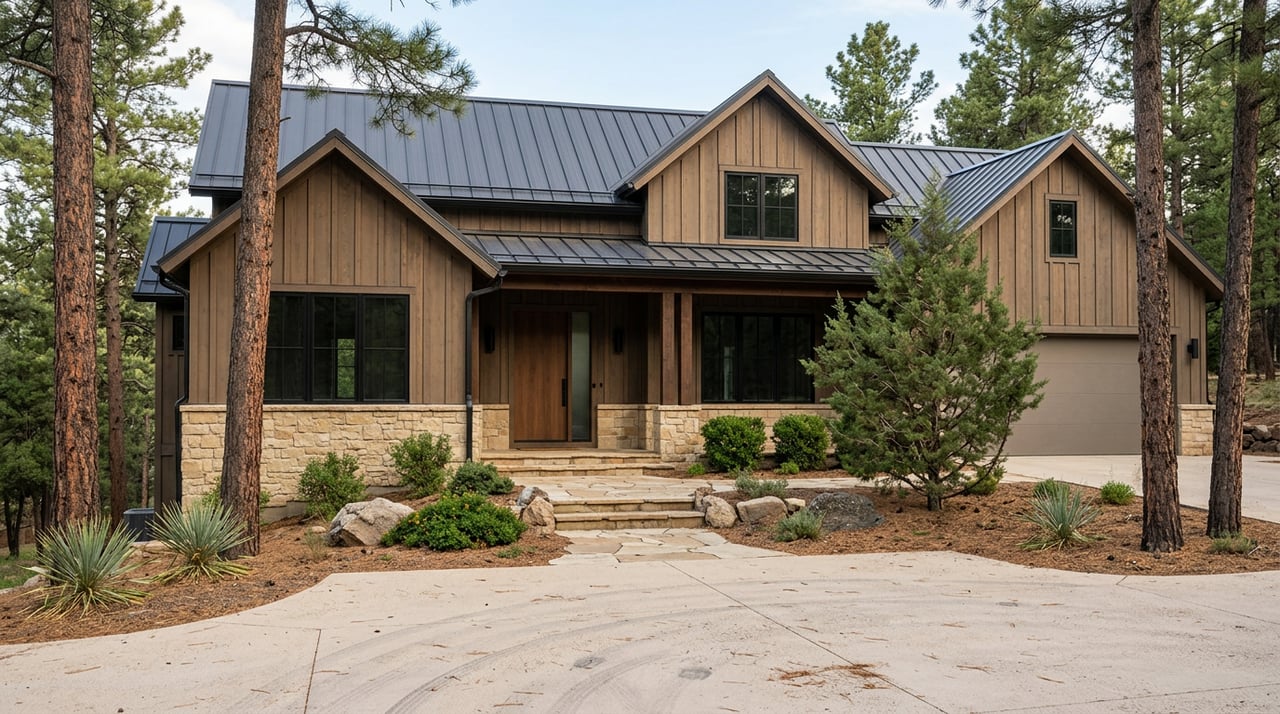
Expect an ARC approval process before any construction or exterior change. Typical submittals include a site plan, elevations, materials and color samples, and a landscape plan. Common standards favor earth‑tone colors, natural materials like wood, stone, or stucco, and limits on reflective finishes. Many communities cap building height and guide roof pitches to protect views.
Wildfire and defensible space
Wildfire planning is a big part of mountain living. CC&Rs often require defensible space around structures, regular vegetation management, and safe storage of firewood. You may see rules about driveway access for emergency vehicles and gates that must remain accessible.
Water, wells, and septic
On‑site wells and septic systems are common near Alto. CC&Rs may set setbacks for septic fields, reference shared well agreements, or require a connection to a community system if one exists. Some communities also limit heavy irrigation to protect water resources.
Roads, gates, and maintenance
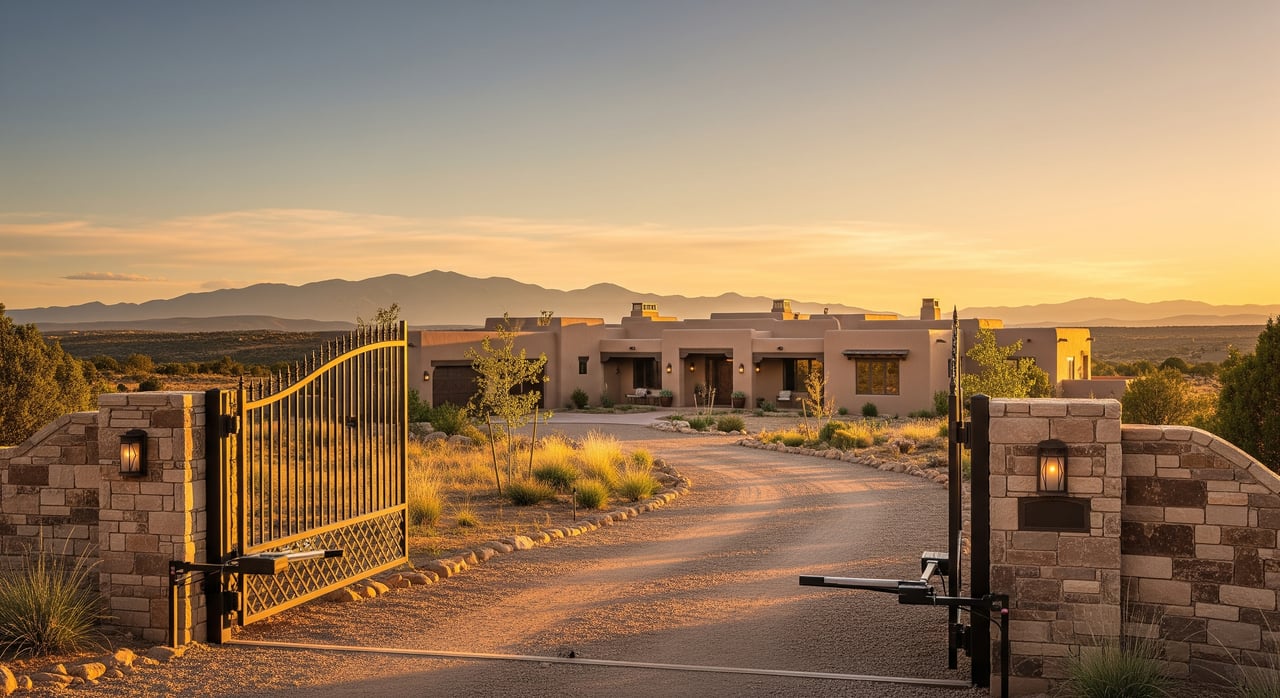
Private roads are typical in ranch subdivisions. CC&Rs usually clarify who maintains roads, how assessments are collected for plowing and repairs, and how resident and guest access is handled at gates. Snow removal rules may specify shared equipment or preferred contractors.
Easements, setbacks, and views
Recorded easements for utilities, drainage, or trails can affect building placement. Some communities record view corridors or no‑build areas to preserve ridgelines and waterways.
Livestock, fences, and storage
CC&Rs often regulate the number and type of animals, fence height and materials, and where you can store RVs, trailers, or equipment. Outdoor storage of junk or inoperative vehicles is commonly restricted to protect neighborhood appearance.
Short‑term rentals and occupancy
Short‑term rental rules vary. Some CC&Rs ban them, others allow them with rules, and some defer to county ordinances. Always confirm current restrictions before planning to rent your property.
HOA fees, assessments, and liens
Expect regular HOA dues and possible special assessments for major projects like road work. CC&Rs outline collection policies, late fees, and whether the HOA can lien or foreclose for unpaid assessments.
Due diligence checklist
Documents to request
- Recorded Declaration of CC&Rs and all amendments.
- Subdivision plat map with building envelopes and easements.
- Bylaws, Articles of Incorporation, Rules and Regulations, and ARC guidelines or application.
- HOA budget, financial statements, reserve study if available, assessment schedule, and collection policy.
- Recent HOA meeting minutes, any violation history for the lot, and any pending litigation.
- Road maintenance agreements and well or water‑sharing agreements.
- Records showing compliance with building, septic, and well permits for any existing structures.
- Recorded maps or legal descriptions for shared gates, private roads, or common parcels.
What to review closely
- Whether short‑term rentals are allowed if you plan to rent.
- ARC submittal requirements, approval timelines, and any deposits or inspection fees.
- Setbacks, building envelopes, height limits, and any view protections.
- Fire‑safety and defensible space obligations, plus ongoing maintenance duties.
- Road maintenance and snow removal responsibilities, and typical annual costs.
- Water source and any water rights or shared well terms.
- Fine schedules and lien rights for unpaid dues.
- Whether the developer still controls the HOA and has reserved rights.
Questions to ask the HOA or seller
- How actively are CC&Rs enforced? Any current violations on this lot?
- Are special assessments planned or recent? For what projects?
- What does the annual assessment cover, such as roads, gates, trash, management, or water?
- Who handles snow removal and road repairs, and are they under contract?
- What designs and materials get approved or denied most often by the ARC?
- Are there any restrictions that would block your intended use, such as a guest house, barn, or RV storage?
Red flags to investigate
- Missing or incomplete recorded CC&Rs, or unrecorded guidelines cited as mandatory.
- Recent or ongoing HOA or developer litigation.
- Vague enforcement language or no clear notice and hearing process.
- Deferred maintenance or low reserves in HOA financials.
- Conflicting plats or amendments that are hard to reconcile.
Timing tips during escrow
Ask your title company to pull CC&Rs, easements, and liens early. Confirm you will receive all documents during your contingency period. Build in time to ask the HOA and local agencies follow‑up questions before your contingencies expire.
Ranches of Sonterra example
Ranches‑style communities near Alto often share a similar framework. Use these norms as a checklist, then confirm every item against the recorded documents and the HOA.
Typical items to expect
- Rural, ranch‑style architecture with an ARC that reviews site plans, elevations, materials, and colors.
- Building envelopes and setbacks that protect ridgelines and medians.
- Private roads with HOA or road association assessments, plus clear gate and emergency access rules.
- Firewise and vegetation management requirements, including defensible space and fuel breaks.
- Restrictions on temporary structures, visible storage, and RV parking.
- Provisions governing wells, septic systems, and water rights or easements.
How to verify in Sonterra
Obtain the recorded Declaration and all amendments from the Lincoln County Clerk and the HOA.
Request the ARC submittal packet, approved materials and colors list, and recent ARC decisions to understand precedent.
Ask for road maintenance agreements and the HOA budget or reserve study to gauge future costs.
Check with county or state environmental health offices for septic permitting and setbacks.
Contact the local fire district for defensible space and driveway access recommendations.
Local agencies and resources to consult
- Lincoln County Clerk for recorded CC&Rs, plats, easements, and amendments.
- Lincoln County Assessor for parcel and tax records.
- New Mexico Office of the State Engineer for well permitting and water rights info.
- New Mexico Environment Department or county environmental health for septic permitting.
- New Mexico EMNRD Forestry Division and Firewise USA for wildfire preparedness.
- Your title company or a real‑estate attorney for clarification on liens, easements, and enforcement rights.
Final thoughts and next steps
CC&Rs shape daily life and long‑term value in Alto’s mountain communities. When you understand the architectural process, wildfire standards, road responsibilities, and water and septic requirements, you can buy with confidence. Build your due diligence plan around recorded documents, the HOA packet, and local agency guidance, and verify everything during your contingency period.
If you would like a curated CC&R review checklist tailored to a specific Alto property or an introduction to the right HOA and local contacts, reach out to Gavin R Bigger for local guidance shaped by deep community roots and resort‑area expertise.
FAQs
What are CC&Rs in Alto 88312 and why do they matter?
- CC&Rs are recorded rules for a subdivision that run with the land, guiding what you can build or do and how the HOA can enforce standards to protect neighborhood character.
Where do I find the official CC&Rs for a Lincoln County parcel?
- Start with the Lincoln County Clerk’s recorded documents, then request the HOA’s full packet and your title company’s search materials for amendments and related records.
How does the ARC approval process work in Alto subdivisions?
- You typically submit site plans, elevations, materials and color samples, and a landscape plan; the ARC reviews for compliance with design standards before any exterior work begins.
Are short‑term rentals usually allowed in Alto mountain communities?
- Policies vary by community; some ban STRs, others allow them with rules, so always confirm current language in the recorded CC&Rs before planning to rent.
What wildfire requirements should I expect with Alto CC&Rs?
- Many communities require defensible space, vegetation management, and accessible driveways and gates so emergency vehicles can reach your home safely.
Who maintains private roads and gates in Ranches‑style subdivisions?
- CC&Rs often assign maintenance to the HOA or a road association and collect assessments to fund snow removal, repairs, and gate operations.