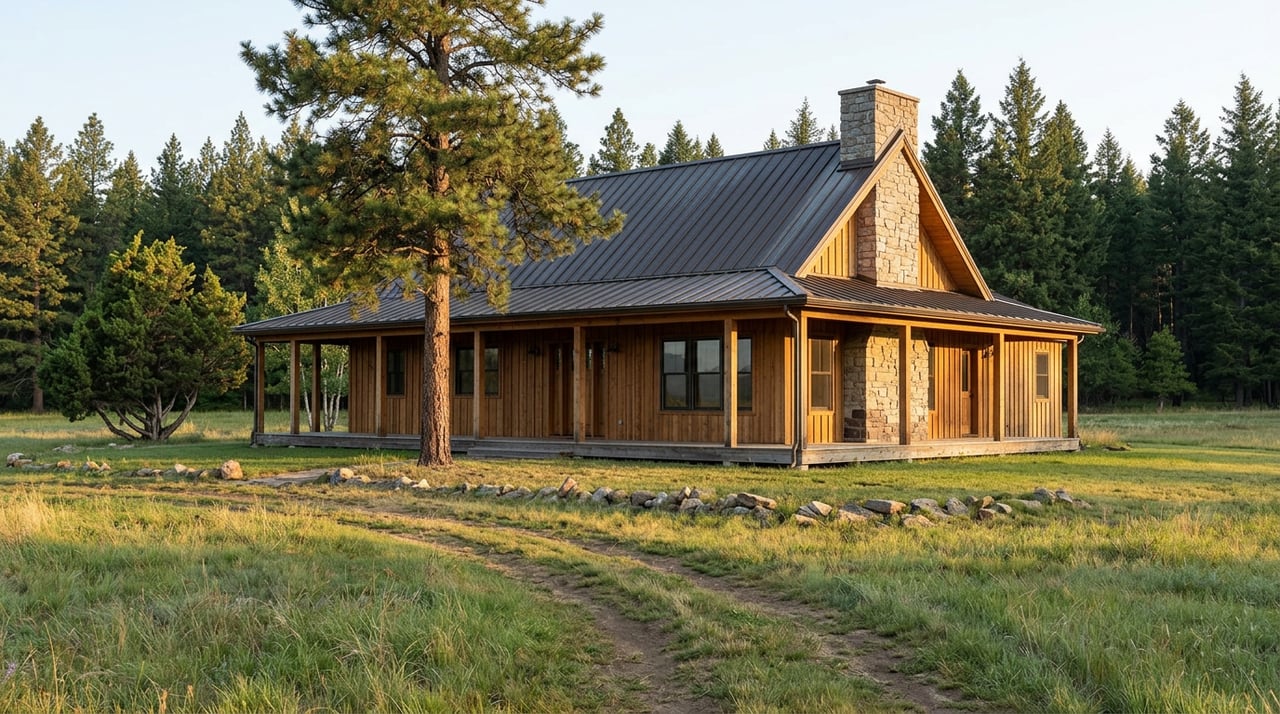
Search "Alto NM short-term rental" and local rules come into focus. A few miles south, the Village of Ruidoso just formalized its own rules under Ordinance 2026-10, adopted in June 2026, requiring hosts to register for a gross receipts tax number and a rental permit before they can list a property. Read enough of this and a buyer eyeing five acres off Highway 220 starts doing nightly-rate math in their head.
Ranches of Sonterra will stop that math before it starts. The Ranches of Sonterra's recorded covenants prohibit rentals described as daily, weekly, or any period under six months, full stop. It doesn't matter that Ruidoso just built a whole compliance portal for hosts. A private covenant that predates the STR economy by decades still governs what you can do with the dirt, and in Sonterra's case, it governs against nightly income entirely.
Two Regulators, One Winner
New Mexico's short-term rental landscape is a stack of separate authorities that rarely talk to each other. New Mexico Administrative Code 3.2.116.10 makes gross receipts tax applicable to people engaged in the business of short-term rentals. The Village of Ruidoso layers on a municipal permit, a lodgers' tax, and now a whole registration portal under the 2026 ordinance. Each of these exists to tax and regulate rentals that are already happening or expected to happen.
None of them override a homeowners association. Those government requirements say nothing about whether your specific deed permits the activity in the first place. Ranches of Sonterra's covenants were written into the subdivision's founding documents back when BlueGreen Corp developed the community in 1996, laying out 497 tracts across three phases ranging from 5 to 25 acres. The rental restriction sits in that same document, unrelated to and unaffected by whatever the county or the village decides to do with STR policy in any given year.
A tract search can show acreage, elevation, and whether a well needs drilling. The recorded covenants are a separate source of information about permitted uses, including rental restrictions.
What the Covenant Actually Permits
The restriction on rentals sits inside a broader set of use rules that shape daily life in the subdivision more than most buyers expect. Worth knowing before you tour a lot:
- One horse is permitted for every 2 acres, once a residence is completed on the tract.
- Owners may camp on an undeveloped tract with an RV, camper, or tent for up to 14 cumulative days within any 60-day period.
- New construction requires a minimum of 1,500 heated square feet and architectural approval before building.
- A gated sub-enclave called Corrida De Rio sits within the larger subdivision for owners who want an additional layer of privacy.
- HOA dues run $110 a year plus a one-time $30 transfer fee, among the lowest assessments in the county, and that fee includes access to a 30-acre owners' park directly on the Rio Bonito River.
Put those together and you get a picture of what the covenant is actually protecting. This isn't a resort development built to cycle guests through nightly. It's a rural residential subdivision built around horse ownership, low density, and a shared river park, with rules written to keep it that way.
The Cost Side Nobody Prices In
A $110 annual due is unusually cheap for an acreage community with amenity access, and the STR ban is part of why. Associations that permit nightly rentals typically carry higher dues to fund the enforcement, insurance review, and wear-and-tear reserves that turnover housing generates. Guest traffic means more road use, more park use by non-owners, more disputes over noise and parking that a board has to adjudicate. Sonterra's covenant sidesteps all of that by removing the activity at the source.
For a buyer running numbers, this changes what the land is actually worth to you. If your plan was to offset a mortgage with nightly income the way an owner near Ruidoso Downs or in a short-term-rental-friendly pocket of the county might, Sonterra doesn't support that plan. If your plan is to hold five or ten acres with a horse or two, keep carrying costs low, and let the property appreciate while you actually use it, the same rule that kills the rental thesis is the rule protecting the low dues and quiet roads you're paying for.
Who the Land Actually Rewards
The two entrances into the subdivision tell you something about who this is built for. The main gate sits just north of Highway 220 near mile marker 3, and a second entrance about a mile further east serves Unit 3. There's no resort check-in, no rental office, no signage built for a weekend guest trying to find their Airbnb. It's built for owners who already know where they're going.
That points toward a specific kind of buyer. Someone planning to live here full time or use the property as a genuine second home benefits from everything the covenant protects: horse rights, river park access, a subdivision that isn't cycling through renters every long weekend. Someone hunting for cash flow from nightly bookings should look elsewhere in Lincoln County
The lifestyle case for staying in Sonterra despite the rental restriction is real. The property sits close to Alto Lakes, Ski Apache, and the Rainmakers golf course, and just down the road from the Spencer Theater, the 514-seat performing arts hall designed by architect Antoine Predock and featuring glass installations by Dale Chihuly. The theater's benefit tournament at Rainmakers each September funds its operations and programming, one more thread connecting this stretch of Alto to a cultural calendar that has nothing to do with turning a spare bedroom into income. None of that shows up as revenue on a spreadsheet. It shows up as the reason people buy here and stay.
FAQ
Can I do a six-month lease instead of a nightly rental? The covenant's language specifically targets rentals described as daily, weekly, or any period under six months. A longer-term lease structured outside that window falls outside what the restriction addresses, though anyone considering this route should review the current recorded covenants directly before committing, since HOA documents can be amended.
Does this rule apply to every acreage community in Lincoln County? No. The restriction here is specific to Sonterra's own covenants.
Could the covenant change? Recorded covenants can be amended, typically through a formal vote process outlined in the association's own governing documents. Absent that kind of formal amendment, the current restriction stands regardless of what county or village rental policy does in future years.
Buying acreage in Alto means reading two sets of rules at once: what the government will license, and what the deed actually allows. That distinction is worth keeping in mind when comparing properties. If you're weighing Ranches of Sonterra against other Lincoln County acreage and want a straight read on how a specific tract's covenants shape its use and its value, Gavin Bigger can walk you through both sides before you write an offer.
This article is general information, not legal, tax or financial advice. Consult a qualified professional about your situation.