Owning a second home in Alto can feel like the best of both worlds until seasonal upkeep starts piling up from miles away. Between winter freezes, summer monsoon storms, and wildfire risk, it helps to know exactly what deserves your attention and when. The good news is that Alto’s maintenance rhythm is pretty predictable once you match your checklist to the local climate. Let’s dive in.
Why Alto Needs a Seasonal Plan
Alto sits in a high-elevation mountain setting, with nearby elevations noted around 6,930 to 7,603 feet in the Upper Rio Hondo Basin area. That means your home is exposed to a real four-season cycle, not just a mild change in temperature.
Local precipitation patterns matter too. The USGS report shows average annual precipitation of 21.1 inches at the Ruidoso climate station, and 59% of that falls from June through September during monsoon season. Add in snowpack that usually peaks in February and March, then melts in April and May, and you can see why water, drainage, and freeze protection matter so much.
Wildfire is the other major factor. The area’s vegetation mix includes piñon-juniper, ponderosa, mixed-conifer, and grassland, and the region has seen major fire events like the 2012 Little Bear Fire. For second-home owners, that makes a simple seasonal system the smartest way to stay ahead.
Use Alto’s Three-Pulse Calendar
The easiest way to manage a second home here is to think in three main maintenance pulses: spring thaw, pre-monsoon, and pre-freeze. Then layer wildfire-awareness and licensed-contractor decisions on top.
This approach works especially well if you only visit part of the year. Instead of reacting to surprises, you can plan service calls, property checks, and outdoor work around Alto’s actual weather cycle.
Spring Thaw Checklist
Spring is when you find out how your home handled winter. As snowmelt begins, this is the time to look for damage, moisture problems, and anything that could turn into a larger issue before summer storms arrive.
Inspect roofs and exterior surfaces
Walk the property and check roof lines, flashing, decks, and grading after snowmelt. Freeze-thaw cycles can create small cracks, loosen materials, or allow water to move where it should not.
Pay close attention to any signs of water intrusion. Even minor staining, soft wood, or shifting soil can become more serious once the monsoon season starts.
Clean drainage paths
Clear gutters, roof valleys, and deck surfaces in spring. Debris left in place can block drainage and increase the chance of overflow during heavy summer rain.
This is also a good time to refresh caulk or sealant on exposed wood. In a mountain climate, that small step can help protect surfaces through the wetter months ahead.
Book larger outdoor work early
If tree work, repairs, or heavy equipment will be needed, spring is a smart time to get on a contractor’s schedule. In mountain areas, timing matters, and service calendars can fill up quickly.
Early scheduling also gives you more flexibility before summer weather and fire restrictions affect outdoor work. For remote owners, that extra lead time can make coordination much easier.
Pre-Monsoon Checklist
Most of Alto’s annual precipitation falls from June through September, so early summer is the time to prepare for fast-moving storms. Your main goal is simple: make sure water can move away from the home quickly and safely.
Clear gutters and downspouts
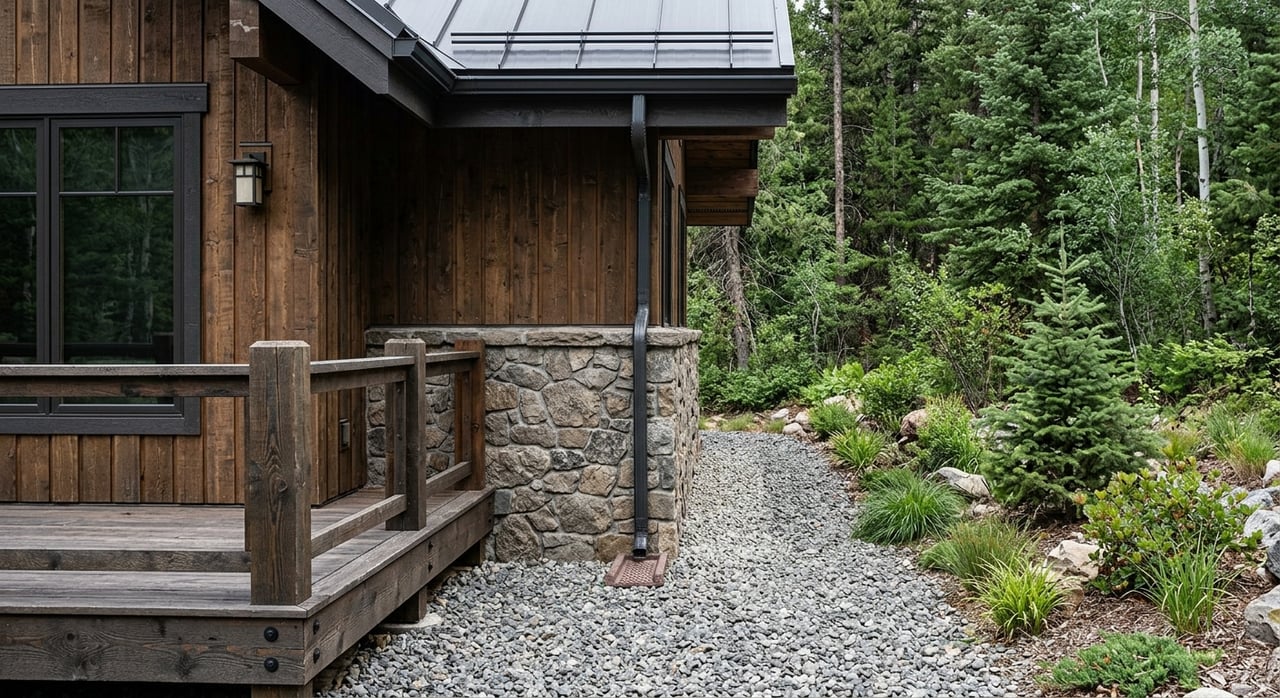
Before the main monsoon window, make sure gutters, downspouts, roof drains, and under-deck drainage are clear. If water cannot move off the roof and away from the structure, it may pool near foundations, splash against siding, or wash out soil.
For second homes, this is one of the most important preventive steps of the year. It is also a good item to document with photos if you manage the property from out of town.
Check for erosion and washouts
After major storms, walk the property and look for standing water, loose deck hardware, washouts, and erosion around posts or foundations. Mountain lots can shift subtly over time, especially where runoff concentrates.
Catching those issues early can prevent more expensive repairs later. This is particularly important if your home has sloped access, retaining features, or decks built into the terrain.
Maintain cooling systems
If your property uses cooling equipment, keep HVAC filters clean during dusty periods or smoke events. If airflow drops, schedule service before it turns into a larger problem.
If the home has an evaporative cooler, maintain it during use and drain it at the end of the season. In a second home, seasonal opening and shutdown steps are easy to miss, so it helps to make them part of your standard calendar.
Pre-Freeze Checklist
Fall is the time to get ahead of winter before vacancy and freezing temperatures raise the stakes. In Alto, a careful pre-freeze routine can protect plumbing, reduce fire risk, and lower the chance of surprise repairs when you return.
Protect pipes and exterior water lines
Disconnect hoses and drain exterior water lines before freezing weather arrives. If the home will remain heated while vacant, keep the thermostat at 55°F or higher.
For a longer vacancy, it is wise to ask a plumber about a full winterization plan. Leak sensors and automatic shutoffs are also worth considering if you want more peace of mind from a distance.
Service heating equipment
Schedule annual HVAC maintenance and replace or clean filters regularly. Before winter, a final furnace check and filter change can help your system run more reliably during the coldest months.
If your home uses an evaporative cooler, clean and drain it before shutdown. That helps avoid damage when temperatures drop.
Test alarms and basic safety items
Before the home sits vacant for winter, test smoke alarms and replace batteries. This is a simple job, but it is one of the easiest things to overlook when closing up a second property.
A quick safety check also gives you a good moment to review access instructions, vendor contacts, and any maintenance notes from the season.
Wildfire Readiness Around the Home
Alto homes are in a wildland-urban interface setting, which means wildfire planning should be part of your regular maintenance, not a separate project you get to later. EMNRD notes that embers can travel more than a mile ahead of a fire front, so even homes not directly next to flames can be vulnerable.
The best approach is to start with the house itself and work outward in zones.
Focus on the first 5 feet
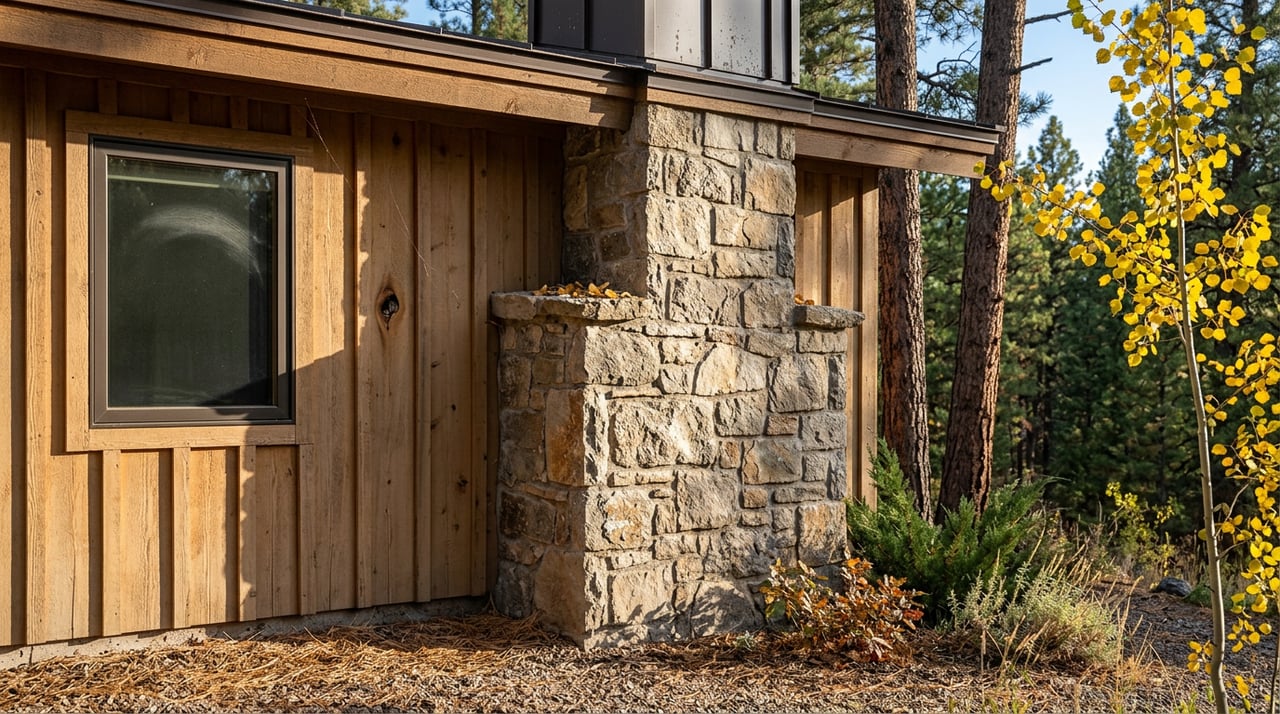
In the area closest to the home, clear dead vegetation and keep combustible storage away from the walls. If you use mulch near the house, consider replacing combustible mulch with gravel or another noncombustible material.
This immediate zone matters because embers often ignite small fuels first. Keeping it clean and simple can improve your home’s defensible space.
Manage the 5 to 30 foot zone
From 5 to 30 feet out, keep grasses mowed to 4 inches, prune shrubs, trim low branches, and maintain space around propane tanks and outbuildings. This zone helps reduce the chance of a ground fire moving closer to the structure.
For many owners, this is the part of the property that benefits most from regular seasonal touch-ups. It is also where clutter can build up fastest around decks, storage areas, and driveways.
Thin and clean farther out
From 30 to 100 feet, remove dead trees and debris and create spacing between tree groups where possible. On larger lots, this work may take time, but it can make the property easier to maintain year after year.
If you hire yard crews, remember that chainsaws, welding torches, and other spark-producing equipment may be restricted during periods of high fire danger. Always confirm current fire restrictions before scheduling that type of work.
What You Can DIY vs. Hire Out
A second-home checklist works best when you know which jobs are routine and which ones need a licensed professional. That keeps your maintenance plan efficient and helps you avoid preventable problems.
Tasks you can often handle yourself
Many basic seasonal items are usually manageable as DIY tasks:
- Disconnecting hoses
- Changing filters
- Cleaning gutters and decks
- Light pruning
- Replacing batteries
- Taking photos for a maintenance log
These jobs are practical for owners, caretakers, or trusted property contacts. They are also the easiest tasks to bundle into quick pre-arrival or pre-departure visits.
Jobs that usually need licensed pros
In New Mexico, construction-related contracting work often requires licensed professionals. Work involving ductwork, water heater replacement, furnace replacement, electrical systems, or LP gas should go to licensed New Mexico contractors, with permits and inspections as required.
That rule of thumb is especially useful for second-home owners. If a job touches core systems or may require a permit, do not treat it like casual DIY maintenance.
Build Your Local Vendor Bench
If you live elsewhere, your best protection is often a reliable local service team. For many Alto second-home owners, the most useful contacts are a plumber, HVAC technician, roofer, and brush or tree contractor who understands mountain-weather timing and local fire restrictions.
Having that vendor bench in place before an urgent issue comes up can save time and stress. It also helps you respond faster during shoulder seasons, when weather can change quickly and contractors are in high demand.
A Simple Maintenance Rhythm Works Best
You do not need an overly complicated system to take good care of a second home in Alto. You just need a plan that fits the local cycle of snowmelt, monsoon rain, freezing temperatures, and wildfire risk.
If you think in terms of spring thaw, pre-monsoon, and pre-freeze, most of the important tasks become easier to schedule and much harder to miss. And if you are buying, selling, or planning your next move in Alto, local guidance can make all the difference. For a custom market valuation and tailored listing plan, connect with Gavin R Bigger.
FAQs
What seasonal maintenance matters most for a second home in Alto?
- The biggest priorities are freeze protection, storm drainage, and wildfire readiness because Alto’s climate includes winter freezing, summer monsoon storms, and wildland-urban interface conditions.
When should Alto second-home owners prepare for monsoon season?
- Early summer is the key time to clear gutters, downspouts, roof drains, and under-deck drainage before the main June through September monsoon pattern brings heavier rainfall.
How should you winterize a vacant home in Alto?
- Disconnect hoses, drain exterior water lines, keep the thermostat at 55°F or higher if the home stays heated, and ask a plumber about full winterization if the property will sit vacant for a longer period.
What wildfire defensible-space steps are recommended for Alto homes?
- Clear dead vegetation within 5 feet of the home, mow grasses to 4 inches and prune vegetation from 5 to 30 feet out, and remove dead trees and debris while creating spacing between tree groups farther from the house.
Which home maintenance jobs in Alto usually require a licensed contractor?
- Jobs involving ductwork, furnace or water heater replacement, electrical systems, LP gas, and other permit-related work should usually be handled by licensed New Mexico contractors.
Why is a local vendor team helpful for Alto second-home owners?
- A plumber, HVAC technician, roofer, and brush or tree contractor with local experience can help you stay ahead of seasonal weather, fire restrictions, and urgent repair needs when you are managing the property from a distance.